
Search by Type
Every type carries different ownership characteristics: range, draft, marina requirements, running costs, crew. The most useful question is not how big a boat you want, but how you actually intend to cruise.
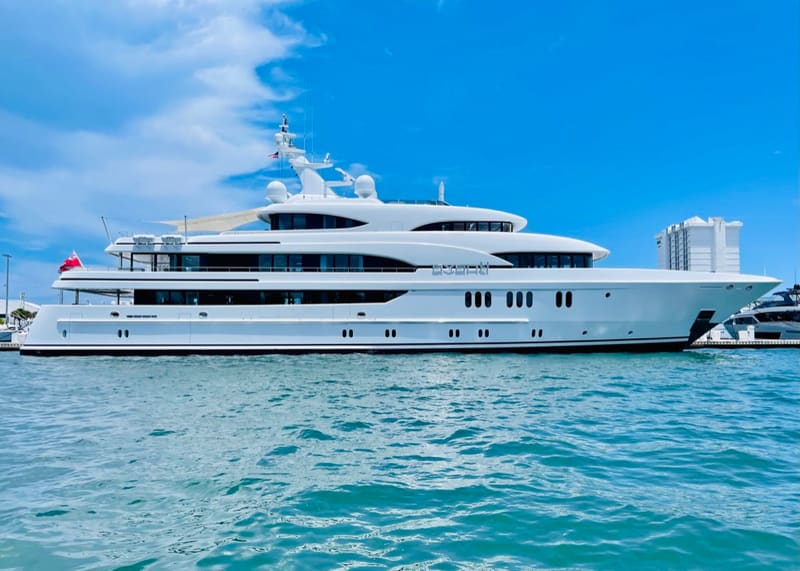
Superyachts
180 ft and above
18 yachts
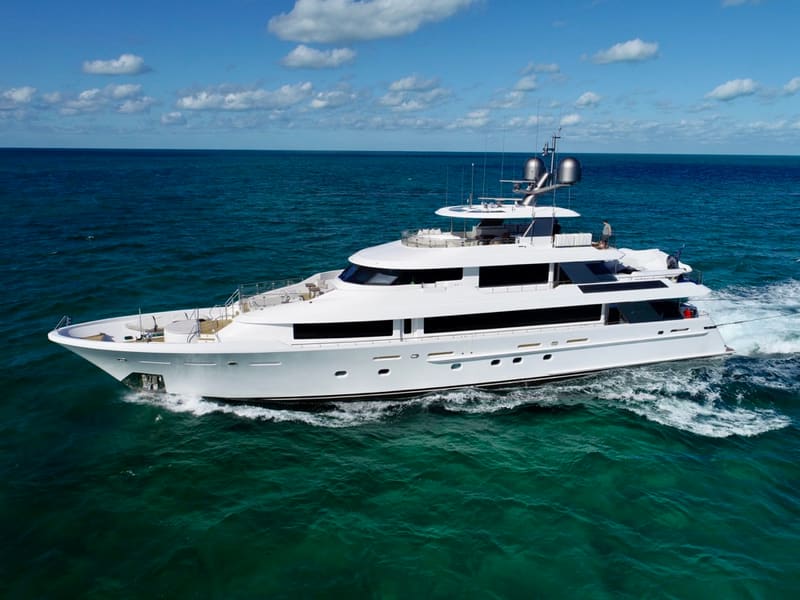
Large Motor Yachts
100 to 179 ft
324 yachts
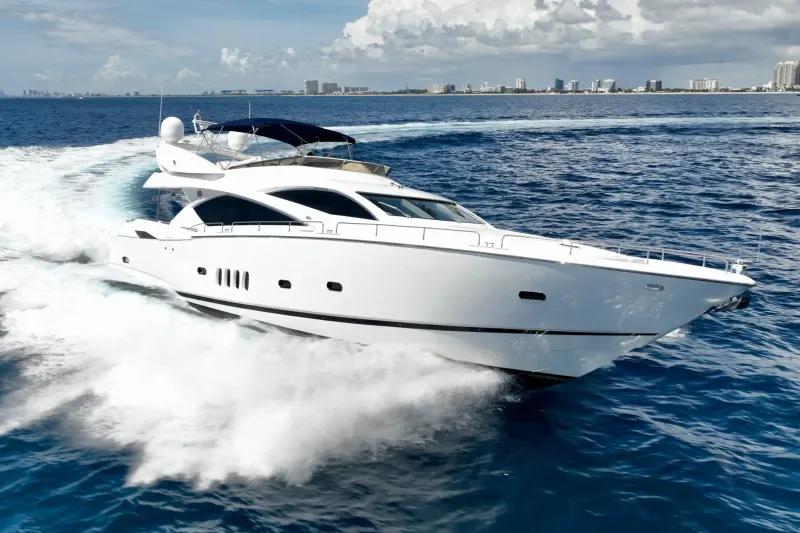
Motor Yachts
Under 100 ft
5,367 yachts
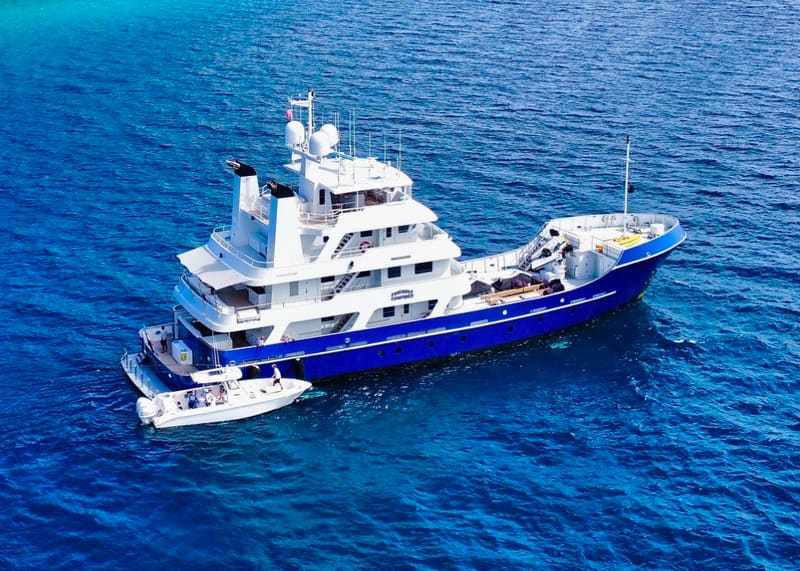
Expedition Yachts
Long range, explorer
391 yachts
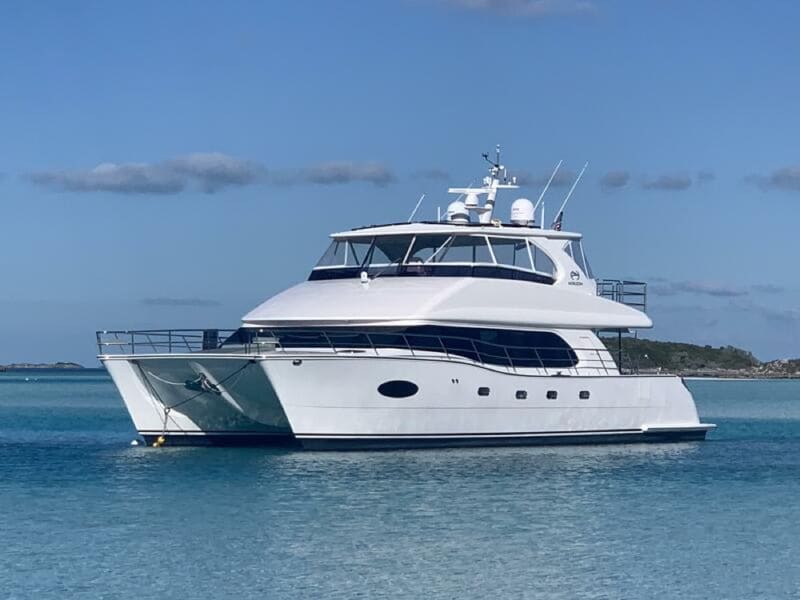
Catamarans
Power multihulls
135 yachts
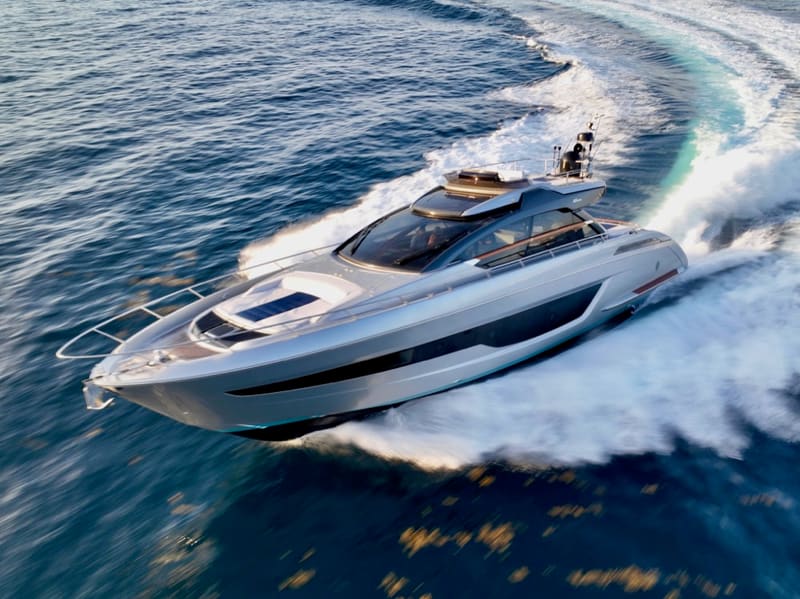
Express Cruisers
Weekending and cruising
1,321 yachts
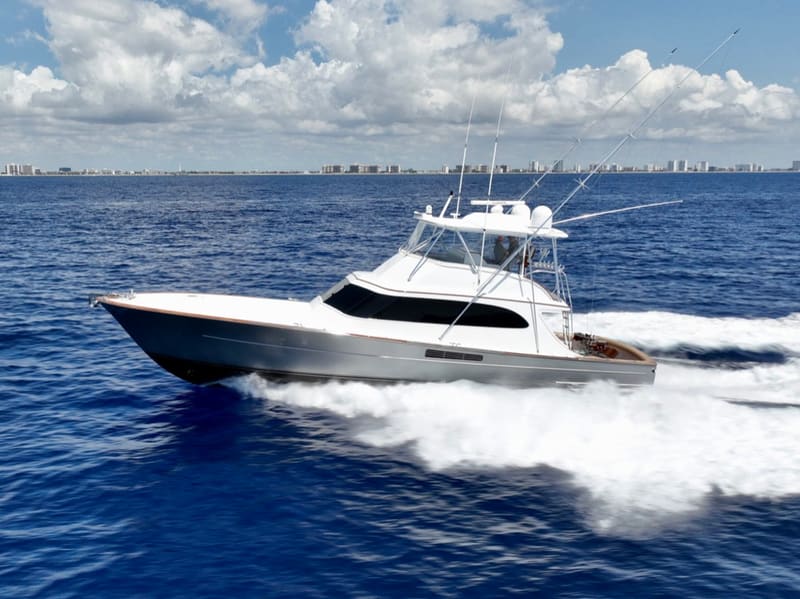
Sport Fish
Convertibles and sportfish
705 yachts
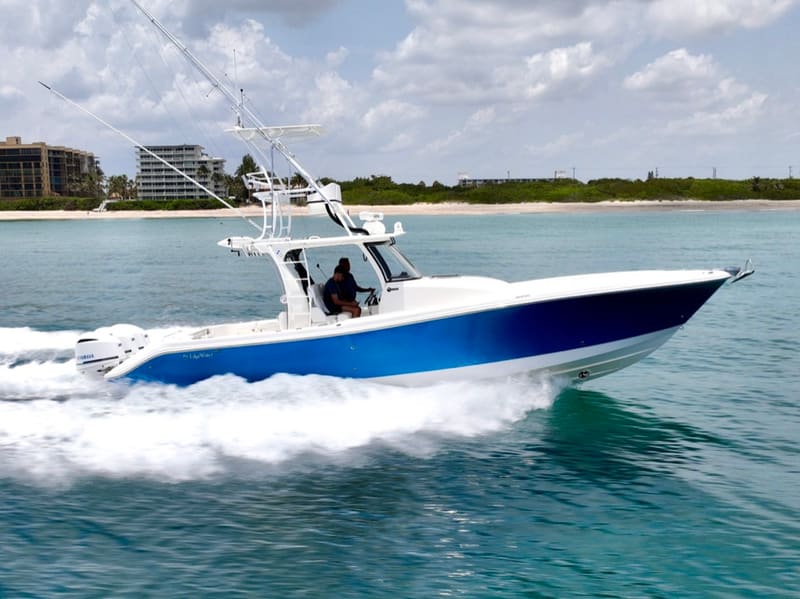
Center Consoles
Day boats and fishing
805 yachts
Choosing Between Them
Motor Yachts
The broadest category and the one most buyers start in. Below about 60 feet an owner can realistically run the boat themselves; above it, crew, marina availability and running costs start to shape the decision as much as the yacht does. Flybridge layouts buy you outdoor living and a second helm; raised pilothouse designs buy you sightlines and sea-keeping.
Sportfish and Convertibles
Built around the cockpit and the tower. Speed to the grounds, a fighting chair or a clear transom, and accommodation that is comfortable rather than palatial. If you fish seriously, nothing else substitutes; if you fish twice a year, an express cruiser will cost you less to keep.
Center Consoles and Express Cruisers
The two ways to spend a day on the water in South Florida. A center console is simpler, drier to maintain and easier to trailer or dry-store; an express cruiser gives you a cabin, a head and somewhere to sleep. Both keep you out of the crew and marina economics that begin around the 60-foot mark.
Expedition Yachts and Catamarans
Both trade top speed for something else. An explorer trades it for range and autonomy: the ability to leave the coast behind for weeks. A power catamaran trades it for interior volume, shallow draft and a notably steadier ride at anchor. Neither is a compromise if the trade is the one you want.